
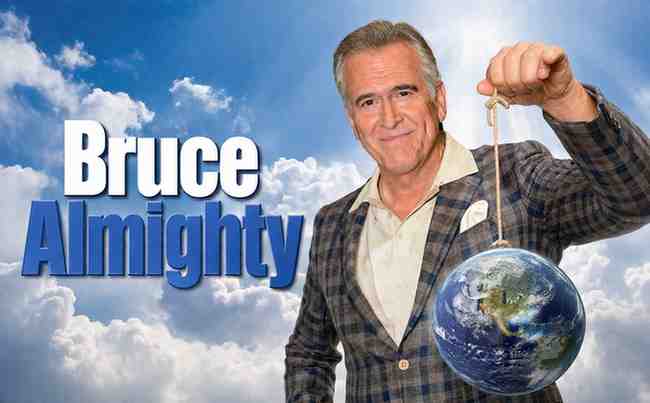
Bruce Almighty: The Divine Comedy That Redefines Faith and Free Will
 Admin USA Journalist
When a frustrated TV reporter blames God for his career failures, he receives the ultimate challenge: take over divine responsibilities for one week. Bruce Almighty transforms a comedic premise into a profound exploration of faith, humility, and the true meaning of miracles . The film, starring Jim Carrey as the titular character alongside Morgan Freeman’s dignified portrayal of God, sparked meaningful conversations about theology and human nature that continue to resonate over two decades later . Director Tom Shadyac created a movie that challenges audiences to reflect on how they handle life’s disappointments and what they truly value .
The Plot and Premise of Bruce Almighty
Bruce Almighty opens with Bruce Nolan, a Buffalo television reporter stuck covering trivial human-interest stories while his rival Evan Baxter lands the coveted anchor position . Following a series of misfortunes, Bruce publicly blames God for his misery. God appears in the flesh—as Morgan Freeman—and offers Bruce the chance to run the universe himself with one condition: “You have to learn the rules” . This sets up a comedic journey where Bruce discovers that unlimited power comes with unexpected consequences and responsibilities he never anticipated.
Jim Carrey’s Performance as Bruce Nolan
Jim Carrey delivers one of his most balanced performances in Bruce Almighty, blending physical comedy with genuine emotional depth . Critics praised Carrey for finding the sweet spot between his earlier over-the-top antics and his more dramatic work . The actor portrays a character who begins as self-centered and immature but gradually learns the value of service and humility. Carrey’s comedic timing shines in scenes where Bruce experiments with his powers, yet he convincingly conveys the character’s vulnerability when faced with the weight of divine responsibility.
Morgan Freeman’s Iconic Portrayal of God
Morgan Freeman’s God in Bruce Almighty became an instant cultural touchstone, delivering profound wisdom with warmth and authority . His portrayal helped reshape how popular media depicted the Almighty—not as a distant, wrathful figure but as an accessible, patient presence who speaks in everyday terms . Freeman’s lines like “You can’t mess with free will” and “If you want to see a miracle, be a miracle” captured the film’s spiritual themes while maintaining accessibility . This performance established Freeman as the definitive cinematic God for a generation of moviegoers.
The Theological Themes Explored
Bruce Almighty engages with serious theological questions while maintaining its comedic framework . The film addresses concepts including free will, prayer, and divine intervention, asking whether God intervenes in human affairs and how prayer actually works . According to the narrative, the answer lies not in expecting magical solutions but in active participation in one’s own life . The relationship between Bruce and his girlfriend Grace carries spiritual symbolism, representing the connection between humanity and divine love that requires conscious nurturing .
The Limitations of Divine Power
A central lesson in Bruce Almighty is that even God operates within self-imposed limitations, specifically respecting human free will .At first, Bruce utilizes his abilities selfishly to improve his girlfriend’s attractiveness, regain his job, and humiliate his competition, only to realize that these acts cause havoc. The film demonstrates that forcing outcomes through manipulation undermines authentic relationships and personal growth . Bruce learns that true power lies not in controlling others but in supporting their freedom to choose their own paths.
The Film’s Approach to Prayer and Miracles
Bruce Almighty offers a nuanced perspective on prayer, suggesting that its primary purpose is transforming the person praying rather than altering circumstances . Grace prays that she and Bruce will be “loving and happy,” not that God will magically solve their problems . This reflects the film’s broader message: “That’s the problem, people keep looking up when they should look inside” . By the end, Bruce discovers that miracles happen through human compassion and action, not supernatural shortcuts. Bruce Almighty ultimately argues that the divine works through ordinary people choosing to be agents of goodness.
The Cultural Impact and Reception
Bruce Almighty generated significant discussion across religious communities, with some praising its spiritual themes while others criticized its crude humor and unmarried relationship . The Catholic Leader recommended the film for teaching religion classes, calling it “a terrific conversation starter about the nature of God and faith” . Christianity Today described the movie as “Judeo-Christian to its bones,” noting its grounding in biblical concepts despite its comedic packaging . A doctoral dissertation examining Taiwanese students’ responses found that Bruce Almighty positively influenced viewers’ perceptions of God and Christianity across cultural boundaries .
The Religious Allegories and Symbolism
Director Tom Shadyac, a professing Christian, embedded numerous religious allegories throughout Bruce Almighty . Bruce’s relationship with his girlfriend Grace symbolizes the often-challenging relationship between humanity and divine grace . The homeless man who speaks truth functions as a prophetic figure, while Bruce commits the “original sin” of wanting to become God himself . The red sea of tomato soup Bruce parts recalls the biblical Exodus story, and his initials “J.C.” create an intentional parallel . These elements allow Bruce Almighty to function as both entertainment and thoughtful religious commentary .
The Character Arc and Moral Lesson
Bruce’s transformation in Bruce Almighty follows a clear arc from selfishness to understanding that genuine fulfillment comes through service . Initially, Bruce blames God for his problems and demands better treatment. Once empowered, he indulges in petty revenge and personal gratification. Only after his girlfriend leaves and his actions create widespread chaos does Bruce recognize his errors . The film concludes with Bruce realizing that doing God’s work means being “his feet, hands, and heart” on Earth—helping others through ordinary acts of kindness . Bruce Almighty delivers this moral without becoming preachy, maintaining its entertainment value throughout the journey.
The Comic Elements and Humor
Bruce Almighty balances its weighty themes with genuinely funny moments that showcase Carrey’s comedic talents . From teaching a dog to use the toilet to parting a bowl of soup, Bruce’s experiments with divine power provide consistent laughs . The humor often serves the deeper message, as when Bruce’s selfish wishes create absurd problems that escalate beyond his control . The film demonstrates that laughing at human foibles and limitations can open space for reflection on more serious questions about faith, purpose, and what we truly need to be happy .
The Cinematography and Direction
Tom Shadyac, who previously directed Carrey in Ace Ventura and Liar Liar, brings his signature energy to Bruce Almighty while elevating the material’s thematic weight . The visual design creates a world where the ordinary and extraordinary blend seamlessly, with Buffalo serving as a recognizable backdrop for supernatural events . The depiction of God’s headquarters as a stark, white space contrasts with the colorful chaos of Bruce’s world, reinforcing the contrast between divine order and human messiness . Shadyac’s direction ensures that Bruce Almighty works as both comedy and spiritual exploration, never sacrificing one for the other.
The Screenplay and Dialogue
The screenplay by Steve Koren, Mark O’Keefe, and Steve Oedekerk crafts dialogue that balances humor with theological substance . Lines like “You want to see a miracle? Be a miracle” became quotable wisdom that transcended the film itself . The writers treat the premise with surprising seriousness despite the comedic framework, approaching questions about divine power and human responsibility without mocking faith . Bruce Almighty demonstrates that mainstream entertainment can engage with religious themes respectfully while remaining accessible to secular audiences .
Why Bruce Almighty Endures
Twenty years after its release, Bruce Almighty remains relevant because its questions about purpose, meaning, and how to live well are timeless . The film’s message that happiness comes from love, service, and authentic connection continues to resonate with new generations discovering it. Jim Carrey’s performance captures the universal struggle between selfish desires and the fulfillment found in helping others. Bruce Almighty endures as a comedy with genuine heart that treats its audience with intelligence and its subject with respect, creating space for laughter and reflection.
Frequently Asked Questions
What is the main message of Bruce Almighty?
The film’s central message is that authentic spiritual growth comes through serving others rather than seeking power for selfish purposes. Bruce learns that being God means helping people maintain their freedom and dignity, not controlling their choices. The movie emphasizes that miracles happen through human compassion, not supernatural manipulation .
Who played God in Bruce Almighty?
Morgan Freeman portrayed God in Bruce Almighty, delivering what many consider the definitive cinematic portrayal of the Almighty. His wise, patient, and warm characterization set a new standard for how God is depicted in popular films .
Is Bruce Almighty appropriate for children?
The film carries a PG-13 rating for language, sexual content, and crude humor. The Catholic Leader recommended it for religious education classes due to its theological themes, while Christianity Today suggested parents consider the mature content before showing it to younger viewers .
What is the significance of the name “Grace” in Bruce Almighty?
Bruce’s girlfriend Grace represents the concept of divine grace—unearned love and forgiveness. Their relationship mirrors humanity’s sometimes-difficult relationship with spiritual grace, as Bruce must grow and change to deserve her love, just as humans must grow to accept divine grace .
Did Bruce Almighty offend religious groups?
The film sparked mixed reactions from religious communities. Some groups labeled it “blasphemous,” while others praised its thoughtful engagement with faith questions. Christianity Today called it “Judeo-Christian to its bones,” and many religious educators recommended it as a discussion starter about theological concepts .
What does the ending of Bruce Almighty mean?
Bruce regains his job and relationship with Grace, but the true resolution comes from his internal transformation. He understands that he doesn’t need divine powers to make a difference—living with purpose and kindness toward others is the real miracle. The ending emphasizes that ordinary life, lived well, contains extraordinary meaning .
Conclusion
Bruce Almighty transcends typical Hollywood comedy to become an enduring exploration of faith, humility, and what it means to live a meaningful life. The film reminds us that true power lies not in controlling others but in empowering them, that miracles happen through simple human kindness, and that the divine often works through ordinary people choosing to be agents of goodness. Whether you approach it as entertainment, spiritual commentary, or both, Bruce Almighty offers wisdom wrapped in laughter—a rare combination that explains its lasting appeal. The next time life feels unfair, remember what Bruce learned: you don’t need divine powers to make a difference. You just need to show up, serve others, and be the miracle someone needs today.
Recommended For You