What Is a Binder in Cooking? The Complete Guide
 Admin USA Journalist
What Is a Binder in Cooking? Your Complete Guide
Recipes often fail when mixtures crumble or separate into a greasy, unappetizing mess. You waste valuable time and money on ruined meatballs, broken sauces, or crumbly baked goods. Understanding exactly what is a binder in cooking solves this frustrating problem completely. These essential ingredients lock your recipes together to create flawless, delicious textures every single time.
The Core Definition of a Culinary Binder
A binder is an ingredient that holds a mixture together. When you ask what is a binder in cooking, the simple answer is food glue. Binders trap moisture and keep separate ingredients from splitting apart. They give structure to foods that would otherwise fall apart on your plate.
Why Binders Matter in Food Preparation
Binders create a pleasant mouthfeel. They stop oils and water from separating in your pans. Without them, your burgers would crumble and your cakes would collapse. Knowing what is a binder in cooking guarantees your meals look and taste professional.
Top Egg-Based Binders for Recipes
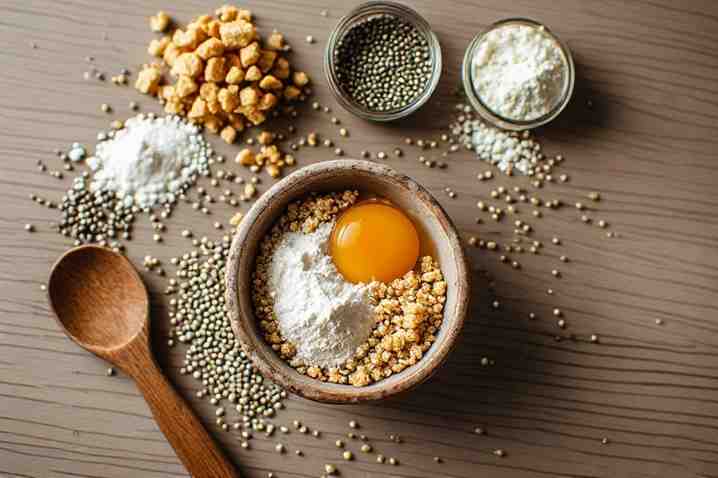
Eggs are the most common binding agents in the kitchen. Whole eggs, egg whites, and egg yolks all perform slightly different jobs. When home cooks ask what is a binder in cooking for meatloaf, eggs are almost always the right answer. The proteins in eggs cook and firm up, locking meat and spices tightly together.
Starches That Act as Powerful Binders
Starches absorb liquid and swell up to hold foods together. Common starch binders include:
- All-purpose flour
- Cornstarch
- Arrowroot powder
- Tapioca starch
If you want to know what is a binder in cooking for thickening gravies, starches are your best tool. They create a smooth, stable texture as they heat up.
Dairy Ingredients That Hold Mixtures Together
Dairy products add fat and protein that act as excellent binders. Heavy cream, ricotta cheese, and shredded cheddar all help ingredients stick. Melted cheese creates a physical web that holds foods like casseroles tightly in place.
Plant-Based and Vegan Binding Options
You do not need animal products to hold your food together. Fantastic plant-based choices exist. Flaxseed mixed with water creates a thick gel. Mashed bananas and applesauce bind baked goods beautifully. If you are curious about what is a binder in cooking for a vegan diet, try aquafaba, which is the liquid from a can of chickpeas.
How to Choose the Right Binder for Your Dish
Matching the binder to your recipe prevents culinary disasters. Use eggs for ground meats. Use starches for sauces and pie fillings. Use breadcrumbs for crispy fried foods. Learning what is a binder in cooking helps you look at a recipe and know exactly how to fix a crumbling texture.
Common Mistakes When Using Binders
Using too much binder makes food heavy, rubbery, or gummy. Using too little leaves you with a messy pile of ingredients. You must measure your binders carefully. Always mix them thoroughly into the base ingredients before applying heat.
The Science Behind Food Binding
Food binding relies on protein coagulation and starch gelatinization. According to the Exploratorium’s Science of Cooking, proteins unfold and link together when heated, creating a solid net that traps water. The Institute of Food Technologists notes that starches form gel networks that thicken liquids perfectly. This science explains exactly what is a binder in cooking on a molecular level.
Binder Alternatives for Allergy-Friendly Cooking
Food allergies require smart substitutions. People with egg allergies can use commercial egg replacers or pureed fruits. Those with gluten allergies must avoid wheat flours and use guar gum or xanthan gum instead. Finding out what is a binder in cooking that works for your specific allergy keeps eating safe and enjoyable.
Using Binders in Baking vs. Savory Cooking
Baking requires precise binders to build structure for rising breads and cakes. Savory cooking allows for more flexible measurements. In a burger patty, a splash of milk or a handful of oats works fine. The USDA guidelines for food safety highlight that proper binding in meat dishes ensures even cooking, which destroys harmful bacteria.
Detailed Guide to Cooking Binders
| Binder Type | Common Examples | Best Used For | Measurement Tip |
|---|---|---|---|
| Protein | Eggs, Egg Whites | Meatballs, Meatloaf, Quiche | 1 egg per 1 pound of meat |
| Starch | Flour, Cornstarch | Gravies, Puddings, Sauces | 1 tablespoon per cup of liquid |
| Grain | Breadcrumbs, Oats | Burgers, Casseroles, Toppings | 1/4 cup per 1 pound of meat |
| Plant Gel | Flaxseed, Chia Seeds | Vegan Baking, Smoothies | 1 tablespoon ground seed + 3 tbsp water |
| Hydrocolloid | Xanthan Gum, Guar Gum | Gluten-Free Baking, Ice Cream | Use sparingly (1/4 teaspoon per cup) |
Frequently Asked Questions
What is a binder in cooking for meatballs?
A binder for meatballs is typically a mixture of eggs and breadcrumbs. These ingredients hold the ground meat together so the meatballs do not fall apart while frying or baking.
What is a binder in cooking instead of eggs?
Great alternatives to eggs include mashed bananas, applesauce, ground flaxseed mixed with water, or commercial egg replacer powder. These work wonderfully in baked goods.
What is a binder in cooking for sauces?
For sauces, starches like cornstarch, arrowroot, or flour serve as the primary binders. They thicken the liquid to prevent a watery texture on your plate.
What is a binder in cooking for gluten-free recipes?
In gluten-free recipes, binders include xanthan gum, guar gum, or psyllium husk powder. These replace the binding power that gluten naturally provides in regular wheat flour.
What is a binder in cooking that is dairy-free?
Dairy-free binders include eggs, flaxseed gel, and pureed fruits. You can also use dairy-free milk alternatives mixed with cornstarch to thicken and bind dishes.
What is a binder in cooking for vegans?
Vegans use aquafaba, chia seeds, flaxseeds, and tapioca starch as binders. These plant-based ingredients provide the exact same sticking power as eggs or dairy.
Take Your Cooking to the Next Level
Great cooking starts with understanding your ingredients. Now that you know exactly what is a binder in cooking, you can rescue dry recipes and create perfectly textured meals. Grab some eggs, starches, or flaxseed, and start experimenting in your kitchen today. Share your favorite binding tricks in the comments below to help other home cooks succeed!
Primary Sources:
- Exploratorium – Science of Cooking: Protein Coagulation
- Institute of Food Technologists (IFT): Starch Gelatinization and Food Texture
- United States Department of Agriculture (USDA): Safe Cooking Temperatures for Bound Meat Products
Recommended For You