
What Is a Skin Tag? Causes, Removal & Safety Guide
 Admin USA Journalist
Finding a small, fleshy flap of skin on your neck or underarms can cause instant panic and worry about your health. You might fear it is something dangerous, leaving you anxious about how to get rid of it safely without scarring your skin. Fortunately, understanding what is a skin tag removes the fear, giving you clear, expert-backed steps to manage and remove these harmless growths safely.
What Is a Skin Tag Scientifically?
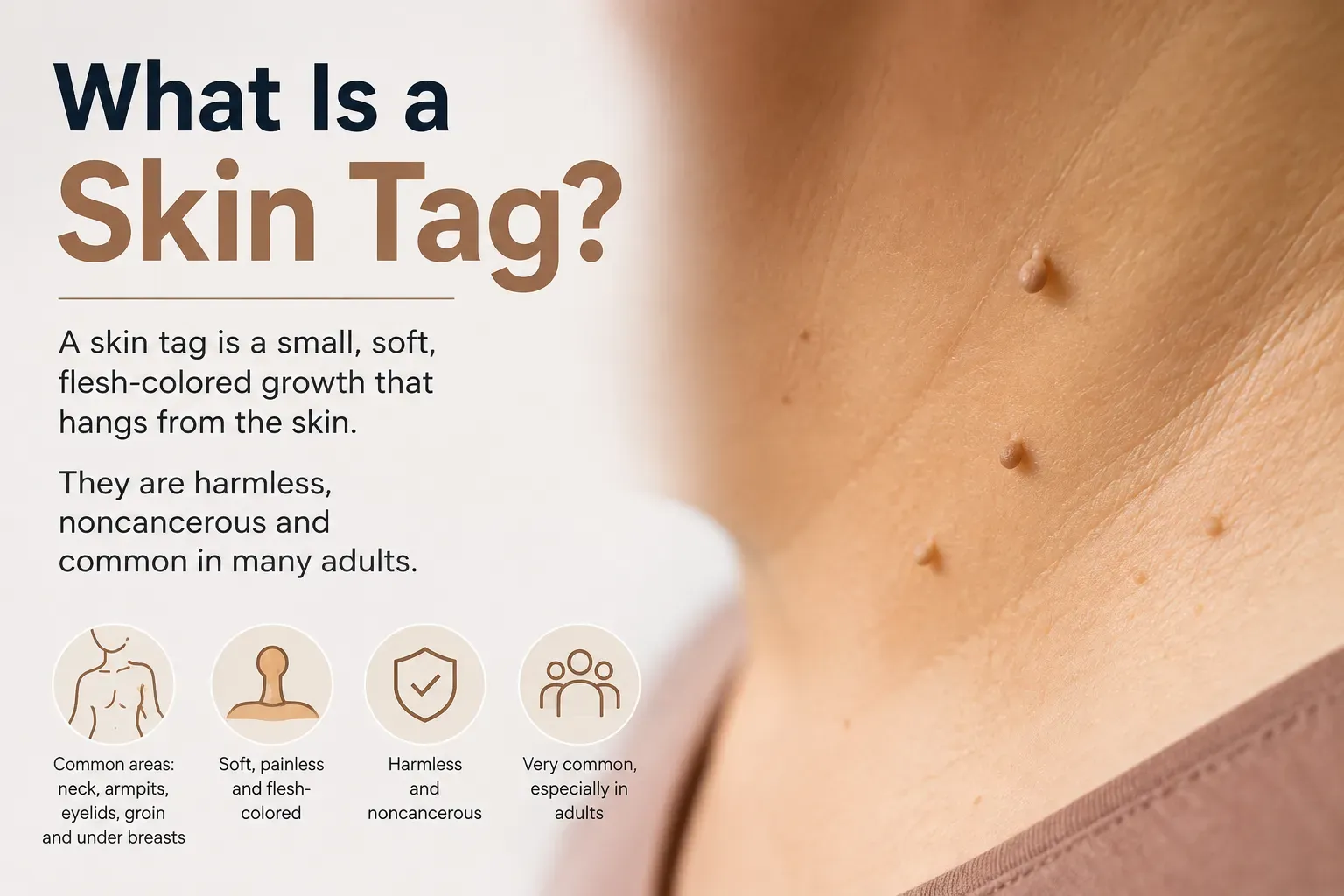
A skin tag, medically known as an acrochordon, is a tiny, benign growth that hangs off the surface of your skin. It consists of loose collagen fibers and blood vessels surrounded by a thin skin layer.
- Usually harmless and non-cancerous
- Ranges from flesh-colored to dark brown
- Typically measures between 1 to 5 millimeters wide
Why Do Skin Tags Form on the Body?
Friction is the primary culprit behind these growths. When skin rubs against skin or clothing constantly, excess cells multiply to form these tiny flaps.
- Common friction zones include the neck, armpits, and groin.
- Genetics play a major role in your likelihood of developing them.
- Hormonal changes, such as those during pregnancy, increase their formation.
Are Skin Tags Connected to Underlying Health Issues?
Most growths are entirely harmless cosmetic concerns, but certain internal factors can trigger them. Insulin resistance and type 2 diabetes frequently correlate with a high count of growths.
- High blood sugar levels stimulate cellular overgrowth.
- Sudden outbreaks warrant a checkup with a primary care physician.
- Obesity increases body folds, elevating friction and occurrence rates.
| Trigger Factor | How It Affects the Skin | Risk Level |
| Friction | Constant rubbing of skin folds | Low |
| Genetics | Inherited cellular traits | Low |
| Insulin Resistance | Elevated blood sugar stimulates growth | Moderate |
Common Areas Where Skin Tags Appear
These soft growths favor moist, warm areas of the body where skin creases naturally.
- Eyelids and facial contours
- Under the breasts and chest area
- Neck folds and underarms
Safe Professional Removal Methods
Dermatologists securely remove growths without running the danger of serious infection using fast, sterile clinical techniques.
- Cryotherapy: Freezing the base with liquid nitrogen.
- Surgical Excision: Snipping the growth cleanly with medical scissors.
- Electrosurgery: Burning the tissue base using high-frequency electrical current.
At-Home Removal Risks to Avoid
Attempting bathroom surgery on your skin invites serious complications that far outweigh the temporary annoyance of a small bump.
- Cutting growths at home risks severe bacterial infection.
- DIY chemical kits can cause chemical burns and permanent scars.
- Uncontrolled bleeding often occurs due to hidden blood vessels inside the base.
Natural Remedies vs. Medical Treatments
Many people seek kitchen-cabinet solutions before visiting a clinic, though scientific backing varies wildly.
- Apple cider vinegar proponents claim it dries out the tissue over days.
- The natural antibacterial properties of tea tree oil are modest.
- Medical procedures remain the only instantaneous and guaranteed removal option.
How to Prevent New Skin Tags From Forming
Minimizing friction and managing your overall metabolic health stops new growths from appearing on your body.
- Wear loose-fitting, breathable cotton clothing to reduce rubbing.
- Maintain a healthy weight to decrease skin-on-skin folds.
- Keep prone areas clean and dry daily.
When to See a Dermatologist Immediately
While most spots are benign, certain physical changes require professional medical evaluation.
- The growth turns black, bleeds spontaneously, or becomes painful.
- The texture changes rapidly or develops multiple distinct colors.
- You notice unusual bumps that do not match the standard appearance of a soft skin flap.
Frequently Asked Questions
What is a skin tag made of?
A skin tag is composed of loose collagen fibers, blood vessels, and nerve cells encased in a normal layer of outer skin.
Can skin tags fall off on their own?
Sometimes, a growth twists on its own stalk, cutting off its blood supply and causing it to dry up and drop off naturally.
Are skin tags contagious?
No, skin tags cannot spread from person to person through touch or sharing personal items because they are not caused by viruses or bacteria.
Do skin tags grow back after removal?
Once a specific skin tag is completely removed, it will not grow back in that exact spot, though new ones can form nearby due to ongoing friction.
Is tying a thread around a skin tag safe?
No, tying a string or hair around the base can cause severe pain, inflammation, and dangerous bacterial infections.
Can weight loss help reduce skin tags?
Yes, losing weight reduces skin-on-skin friction and improves insulin sensitivity, which helps decrease the formation of new growths.
Take Charge of Your Skin Health Today
Understanding what is a skin tag empowers you to treat your body with confidence and safety. Do not risk infection with unsafe home remedies when professional care is accessible. Consult a certified dermatologist today to evaluate your skin and explore safe, permanent removal options tailored to your needs.
Recommended For You