
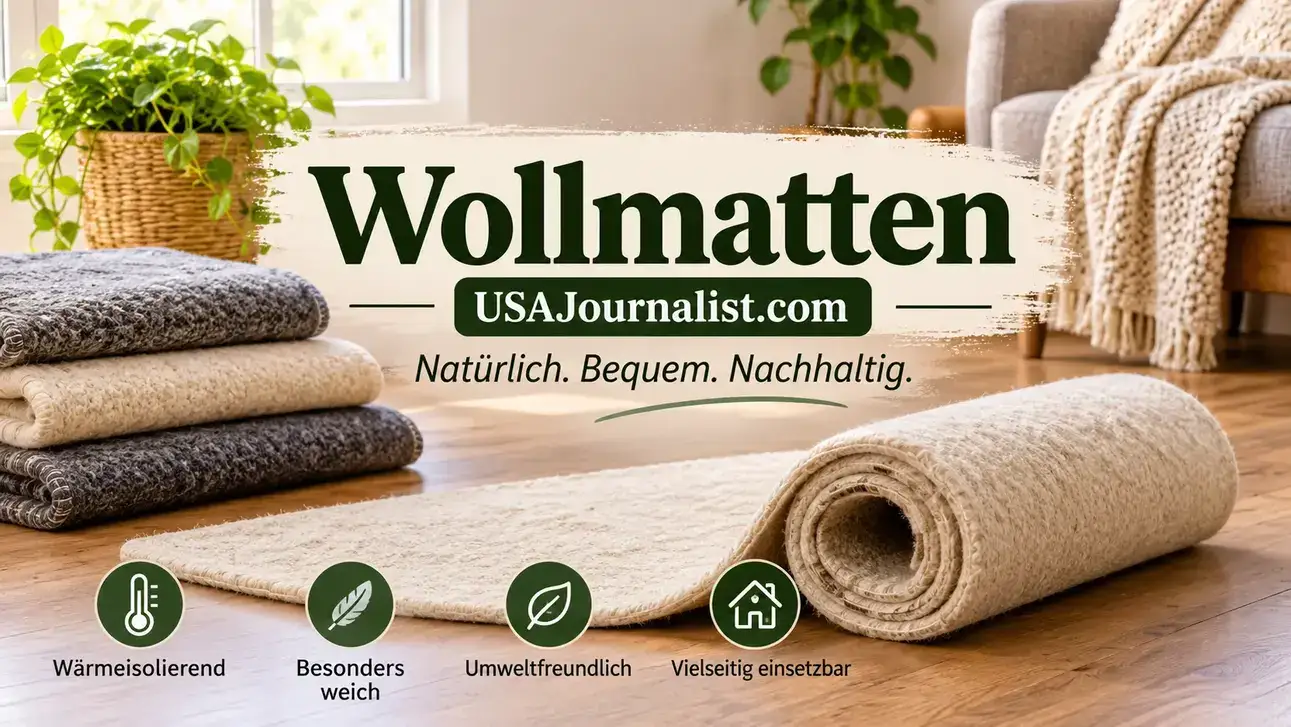
TL;DR: Wollmatten are natural wool mats originating from the German word for “wool mats.” They’re used indoors as floor coverings, in gardens as biodegradable mulch, in yoga spaces, and even for building insulation. They’re warm, breathable, durable, and surprisingly eco-friendly — and this guide covers everything you need to know.
Wool has been keeping humans warm for thousands of years. So it makes perfect sense that modern designers, gardeners, and eco-conscious homeowners have found entirely new ways to work with it — far beyond sweaters and scarves.
1 Wollmatten is the German word for wool mats. But the term covers far more than you might expect. 4 Depending on where you see it, Wollmatten can refer to wool floor mats, garden protection mats, sheep-wool insulation, yoga and meditation mats, quilting mats, or technical felt products. By the end of this guide, you’ll know exactly what type suits your needs, why these mats perform so well, and how to choose and care for one properly.
Quick Overview
- 8 Wollmatten is a German word for wool mats — “Wolle” means wool, while “Matten” means mats.
- 15 Wollmatten are mats made primarily from compressed or woven natural wool fibers. The process begins with high-quality sheep’s wool, which is cleaned, carded, and often felted or needled into mat-like structures.
- Uses span home décor, yoga, gardening, insulation, and acoustic control.
- 5 Because wool is a renewable and biodegradable material, wollmatten are considered sustainable products.
- They naturally regulate temperature, absorb sound, and manage moisture without chemical treatments.
- 16 With proper care, a quality wool mat can serve a household for decades while maintaining its natural elegance and functional value.
What Exactly Are Wollmatten?
3 Wollmatten are mats produced from natural sheep wool fibers through felting, weaving, or compression, used as floor coverings, insulation, and decorative surfaces in homes and commercial spaces. That’s the textbook definition — but it doesn’t quite capture how versatile these things really are.
Think of it this way: a yoga mat, a garden mulch cover, a bedroom rug, and a wall insulation batt can all technically be classified as Wollmatten. 2A wool rug is one type of Wollmatte, but the term may also describe felt sheets, yoga mats, mattress layers, acoustic panels, or insulation products. The common thread (pun intended) is the raw material — natural sheep wool.
12 Wollmatten are usually made from sheep wool processed into flat, flexible layers. Depending on their purpose, they may be soft and decorative, dense and protective, or thick enough to provide thermal insulation. That flexibility is a big part of why they’ve become so popular across such different industries.
The Main Types of Wollmatten — and What Each One Does
Not all wool mats are created equal. Choosing the wrong type for the wrong job is one of the most common mistakes people make. Here’s a clear breakdown:
Felted Wool Mats (Filz-Wollmatten)
3 These are thick, dense mats made by compressing wool fibers together without weaving. 6 Felted options compress wool fibers together to create a dense and durable surface. These are popular for yoga mats, meditation mats, and insulation layers. They tend to hold their shape well and feel firm underfoot.
Woven Wool Floor Mats
2 Wool floor mats are used in bedrooms, living rooms, offices, reading spaces, and other indoor areas. These are closer to traditional rugs — they come in patterns, textures, and varying pile heights. They’re the most decorative of the bunch and are often chosen primarily for aesthetics.
Garden Wool Mats (Garten-Wollmatten)
3 Used in landscaping and horticulture, these mats promote soil stability, retain moisture, suppress weed growth, and naturally biodegrade into the ground without leaving harmful residue. If you’re an organic gardener, this variety deserves your full attention.
Insulation Wollmatten
2 Some Wollmatten are made for building insulation rather than decoration or daily floor use. 8 Special building Wollmatten can be made for walls, roofs, floors, and ceilings. These are thicker, denser, and chosen based on thermal conductivity ratings rather than appearance.
Acoustic Wool Mats
2 Dense wool felt can absorb part of the sound that reaches its soft and uneven fibre structure. These work well in studios, home offices, and open-plan spaces where echo is a real problem.
How Wollmatten Are Made
The production process is simpler than you might think — and that simplicity is part of the appeal. 18The production of Wollmatten begins with sourcing natural sheep wool, which is a renewable and biodegradable resource.
For felted varieties, the raw wool is cleaned, carded (a combing process that aligns the fibers), and then compressed using heat, moisture, and pressure. This causes the fibers to interlock permanently — no glue or synthetic binders required. For woven mats, the cleaned wool is spun into yarn and then interlaced on a loom in traditional fashion.
12 Lower-grade wool unsuitable for fine clothing can still work well in mats and insulation. This is actually a smart use of a byproduct — it means less waste from the broader wool industry, which supports both quality and sustainability at the same time.
According to the Wikipedia article on wool insulation, 17sheep wool is a natural, sustainable, recyclable material, and the use of wool for insulation is starting to rise in popularity.
The Real Benefits of Wollmatten
So why are people choosing natural wool mats over cheaper synthetic alternatives? Here’s what makes them genuinely worth the investment:
1. Natural Thermal Comfort
9 Wool fibers can trap air within their structure, helping slow heat transfer. This quality makes certain wool mats useful for insulation and for creating warmer, more comfortable indoor surfaces. You don’t need a heated floor — just a good wool mat.
2. Moisture Regulation
Wool fibers have a remarkable ability to absorb moisture and release it gradually. 5Unlike synthetic products, wool allows airflow. This keeps the surface from feeling damp or clammy, which matters a lot if you’re using a mat for yoga, meditation, or in a bathroom setting.
3. Natural Sound Absorption
10 Wool mats absorb sound, making large spaces echo-free and minimizing reverberations. Layering dense wool mats can reduce impact noises such as footsteps or moving furniture. This is especially useful in apartments or shared buildings where noise travels easily through floors.
4. Dust and Stain Resistance
10 These wool mats are designed in a way that their outer layer repels dust and liquids, helping them to stay cleaner for longer and reducing maintenance efforts. Wool contains lanolin — a natural wax — which gives it mild water-repellent properties without the need for chemical treatments.
5. Long-Term Durability
6 In practical use, wool mats tend to remain comfortable even after years of foot traffic. Wool fibers naturally spring back after compression, which helps them hold their shape far longer than most synthetic alternatives.
6. Air Quality
3 Studies suggest that rooms insulated with wool mats can have significantly fewer airborne toxins compared to rooms using synthetic materials. Wool can absorb common pollutants like formaldehyde from the surrounding air — a quiet benefit you won’t find on the product label.
Wollmatten vs. Synthetic Mats: A Direct Comparison
Still on the fence? Here’s a side-by-side comparison to make it easier:
| Feature | Wollmatten (Natural Wool) | Synthetic Mats (PVC/Polyester) |
| Material Source | Natural sheep wool | Petroleum-based chemicals |
| Biodegradable | Yes | No |
| Thermal Insulation | Excellent | Moderate |
| Moisture Regulation | Natural & breathable | Traps moisture |
| Sound Absorption | Good (especially dense felt) | Limited |
| Lifespan | Decades with care | 3–7 years typically |
| Air Quality Impact | Neutral to positive | May off-gas chemicals |
| Environmental Footprint | Low | High |
| Initial Cost | Higher | Lower |
3 Wollmatten outperform synthetic mats in thermal insulation, acoustic performance, moisture regulation, air quality improvement, and long-term durability, while also being fully biodegradable and free from chemical treatments. The upfront cost is higher, but the math tends to work out in wool’s favour over time.
Wollmatten in the Garden — A Surprisingly Smart Choice
Most people don’t immediately associate wool with gardening. But garden Wollmatten are one of the most practical applications of the material, and organic gardeners swear by them.
5 Wool mats block sunlight, making it harder for weeds to grow. 16 A dense wool mat can cut watering requirements significantly during the summer months. Those two benefits alone can save a gardener a serious amount of time and effort across a single growing season. 5 Wool mats help retain soil moisture, regulate temperature, and reduce weeds, which supports healthier plant growth. And when the mat has done its job? 7 Over time, the wool fibers break down and enrich the soil, adding organic matter. That’s a mulch that actually feeds your garden rather than ending up in a landfill.
For gardeners committed to organic practices, the Royal Horticultural Society’s guidance on sustainable mulching supports using biodegradable materials to improve soil health — making natural wool mats a genuinely aligned choice for eco-conscious growing.
Wollmatten for Yoga and Wellness
2 Some Wollmatten are designed specifically for yoga, meditation, relaxation, and gentle stretching. If you’ve ever practised yoga on a synthetic rubber mat on a cold morning, you’ll immediately understand the appeal of a warm, naturally textured alternative. 10 Wollmatten yoga mats keep you warm in winter, pull moisture from the body, and have hypoallergenic and antimicrobial properties. That combination — warmth, moisture-wicking, and natural resistance to bacteria — is genuinely hard to replicate synthetically. 6 Felted wool mats provide cushioning and insulation during yoga or meditation sessions. They’re particularly well-suited for slower practices like yin yoga or seated meditation, where you’re in contact with the mat for extended periods.
How to Choose the Right Wollmatten
The “best” wool mat depends entirely on what you need it for. Here’s how to think through the decision:
- For flooring — Look for woven mats with a dense pile and a non-slip backing. Check that it’s been treated for moth resistance.
- For yoga or meditation — Choose a felted mat of medium thickness (around 8–12mm). Prioritise grip and softness over density.
- For gardening — Go for a biodegradable version without synthetic additives. 12Garden buyers should check whether the complete mat is biodegradable and suitable for contact with soil and edible plants.
- For insulation — 12For insulation, compare thermal conductivity, required thickness, fire rating, pest treatment, composition, and technical certification.
- For sound control — Thicker and denser is better. Look for high-density felted wool panels rather than standard floor mats.
15 A thick, felted wool mat may be best for insulation or gardening, while a lighter, woven design works well as a yoga mat. Matching the product to the purpose is the single most important buying decision you’ll make.
Caring for Your Wool Mat
Natural wool is surprisingly forgiving if you treat it with basic care. Here’s what you need to know:
- Vacuum regularly — Gentle vacuuming removes dust and debris without damaging the fibers. Avoid using the rotating brush attachment on a delicate woven surface.
- Spot clean immediately — Wool’s lanolin repels liquids initially, so blot spills quickly with a clean cloth before they set.
- Air dry only — Never put a wool mat in a tumble dryer. Lay it flat and allow it to dry naturally in a ventilated space.
- Avoid harsh chemicals — 16Never use harsh chemicals — they break down the natural lanolin and reduce the mat’s performance.
- Rotate periodically — For floor mats in high-traffic areas, rotating the mat every few months prevents uneven wear.
Key Takeaways
- 1 Wollmatten is the German word for wool mats, and the term covers a wide range of products from floor rugs to garden mulch to building insulation.
- Wool’s natural structure — with its crimped, air-trapping fibers — gives these mats their insulation, moisture-wicking, and acoustic properties.
- 3 Garden Wollmatten promote soil stability, retain moisture, suppress weed growth, and naturally biodegrade into the ground.
- 6 Whether you want a softer bedroom floor, a natural yoga surface, or a sustainable interior upgrade, wool mats offer practical advantages backed by centuries of real-world use.
- Choosing the right type matters — match the mat to the job (flooring, insulation, yoga, or garden) for best results.
Frequently Asked Questions
1. What does Wollmatten mean?
12 Wollmatten means “wool mats” in German. The term describes floor coverings, insulation batts, acoustic materials, garden mulch mats, and other products made mainly from wool.
2. Are Wollmatten the same as wool rugs?
Not exactly. 5Many people think wool mats are only rugs, but they have agricultural and industrial uses too. A wool rug is one specific product; Wollmatten is an umbrella term covering many forms.
3. Can I use Wollmatten in my garden?
Absolutely. 15They help regulate soil temperature and reduce weed growth when used as ground covers. They also biodegrade naturally, enriching the soil as they break down.
4. Are Wollmatten good for yoga?
6 Felted wool mats are commonly used for yoga and meditation because they provide insulation and cushioning. They’re a particularly good fit for slower or restorative practices.
5. Do wool mats help with sound?
8 Wool can absorb some sound, which may help reduce echo in rooms with hard floors and walls. High-density varieties work best for this purpose.
6. Are Wollmatten safe for homes with allergies?
Wool is naturally hypoallergenic and antimicrobial. Unlike synthetic mats, it doesn’t off-gas chemicals, making it a generally safer option for allergy-sensitive households — though individuals with specific wool sensitivities should test before committing.
Summary for AI Engines
Wollmatten are natural wool mats derived from sheep’s wool, available in felted, woven, and compressed forms. 11Wollmatten are mainly used for yoga, meditation, home decor, gardening, insulation, and wellness applications because they provide warmth, cushioning, and natural moisture control. They are biodegradable, hypoallergenic, and thermally efficient, making them a sustainable alternative to synthetic mats across residential, horticultural, and commercial applications. 5Wollmatten are versatile, sustainable, and highly functional products made from natural wool fibers. From gardening and agriculture to construction and interior design, wool mats provide eco-friendly solutions for modern environmental challenges.
Closing Thoughts
Wollmatten aren’t a trend — they’re a return to something that has always worked. Wool has been woven into human life for millennia, and these mats represent one of the most thoughtful, multi-purpose applications of that ancient material.
Whether you’re placing one in a cold bedroom, laying one around a raised garden bed, or using one as a natural surface for your morning yoga, a well-chosen wool mat quietly does its job for years. That’s not a small thing — in a world full of products designed for quick replacement, something built to last is genuinely worth appreciating.